
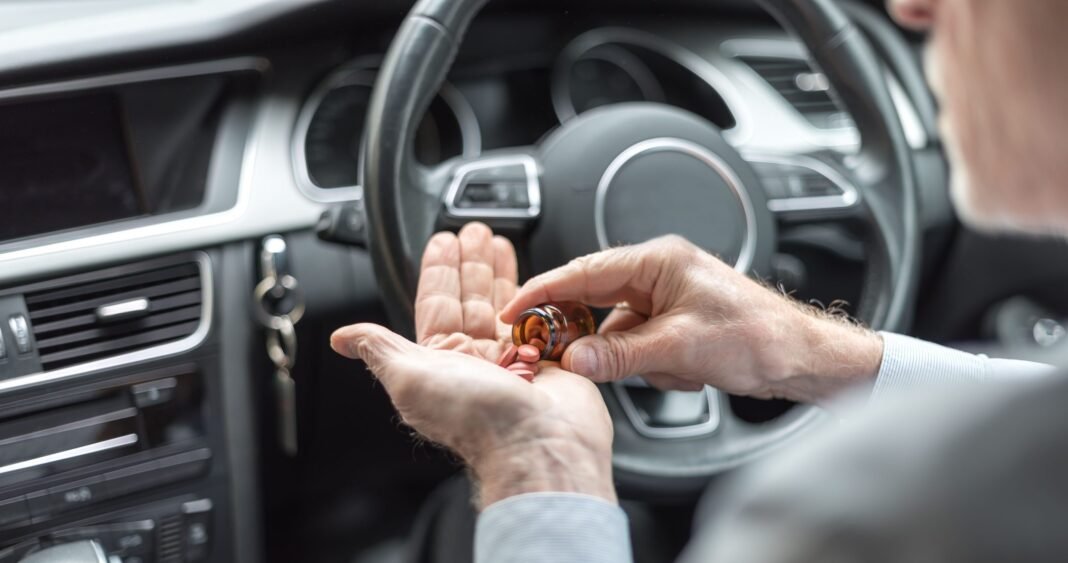

More than 12,300 motorists have been caught drug-driving on at least three separate occasions over the last 11 years, according to new analysis by RAC. The figures, obtained through a Freedom of Information request to the DVLA, reveal that repeat drug-driving offences are now significantly outpacing repeat drink-driving convictions in the UK.
The RAC analysis found that 12,391 drivers accumulated three or more DG10 endorsements for driving or attempting to drive while over the legal limit for drugs since 2014. By comparison, only 2,553 motorists received three or more DR10 or DR20 endorsements for equivalent drink-driving offences during the same period.
In total, 41,422 drivers were convicted of drug-driving more than once over the last 11 years, highlighting growing concerns around repeat offending and road safety.
The data, which covers the full period that DG10 endorsements remain on a driving licence, also revealed several extreme cases of reoffending. One motorist accumulated 18 separate drug-driving convictions, while another received 17 convictions. Several others recorded between 12 and 14 offences, and 94 drivers currently have eight DG10 endorsements on their licence. Overall, 32 motorists have 10 separate drug-driving convictions, while 38 have nine.
The DVLA figures also show that 72,662 motorists currently have at least one DG10 endorsement on their licence. Alarmingly, this includes 4,131 provisional licence holders who committed drug-driving offences before passing their driving test.
DG10 endorsements are issued to motorists caught driving, or attempting to drive, with controlled drugs above the legal limit. Offences can involve illegal substances as well as prescription medications such as morphine or diazepam when levels exceed the specified legal threshold.
Current penalties for drug-driving include fines, driving bans, criminal records, and potential prison sentences. However, the RAC believes the latest figures demonstrate that existing punishments are failing to prevent some offenders from repeatedly returning to the road.
RAC senior policy officer Rod Dennis, said: “While it’s drink-driving that tends to attract most of the headlines in the UK, these figures show just how much of a problem the more ‘under-the-radar’ issue of drug-driving is becoming. Thousands of drivers on the road today have been caught for drug-driving more than once.
“Drug-driving reoffending rates dwarf those of drink-driving, which suggests that current penalties aren’t effective in preventing some drug-drivers from repeating their crimes and putting everyone at risk. Introducing a national drug-driving rehabilitation scheme – similar to what is in place for drink-driving – could also help to drive down reoffending.
“Our analysis highlights some extreme examples, including drivers accumulating up to 18 separate drug-driving convictions, and the fact that more than 4,000 drivers with just a provisional driving licence have accrued DG10 endorsements.
“The Government has committed to tackling this growing problem as part of its road safety strategy – including reviewing the penalties and mandatory training offenders receive, as well as considering new powers to immediately suspend the licences of drivers caught. Other countries such as Australia already routinely use roadside saliva testing of suspected drug-drivers, and we urgently need a similar system in the UK.”
The RAC is now calling for tougher measures to tackle repeat offending, including the introduction of a national rehabilitation scheme for drug-drivers and expanded roadside testing powers similar to those already used in Australia.

