

The 2026 conflict in Iran has triggered a seismic shift in global supply chains, with the United States’ logistics severely impacted by soaring fuel costs, massive shipping delays and inflationary pressures on freight rates. Due to Iran’s closure of the Strait of Hormuz, U.S. logistics operators are grappling with rerouted vessels and equipment imbalances.
Evelyn Long, Editor-in-Chief of Renovated Magazine looks at how the Iran conflict is affecting US logistics that relies so much on truck-based logistics.
An Unfolding Logistics Crisis: The U.S. Perspective
The escalation of the armed conflict has transformed a year expected to be well-balanced logistically into one defined by operational chaos. The effective closure of the Strait of Hormuz is a primary cause, severely disrupting maritime energy trade and creating a ripple effect that extends to domestic U.S. transportation and beyond.
Soaring Fuel Costs
As oil prices react to instability surrounding the war, fuel in the U.S. has risen dramatically. Since the beginning of the conflict on February 27, 2026, the U.S. national gas price average has risen to $4.02 per gallon, an increase of around 35% over that period.
For logistics companies, this gas price fluctuation significantly inflates the cost per mile, prompting greater attention to already-important factors, including trailer weight ratings (GVWRs), to ensure effective brake durability, minimize axle wear, and ultimately save costs on gas and safety concerns.
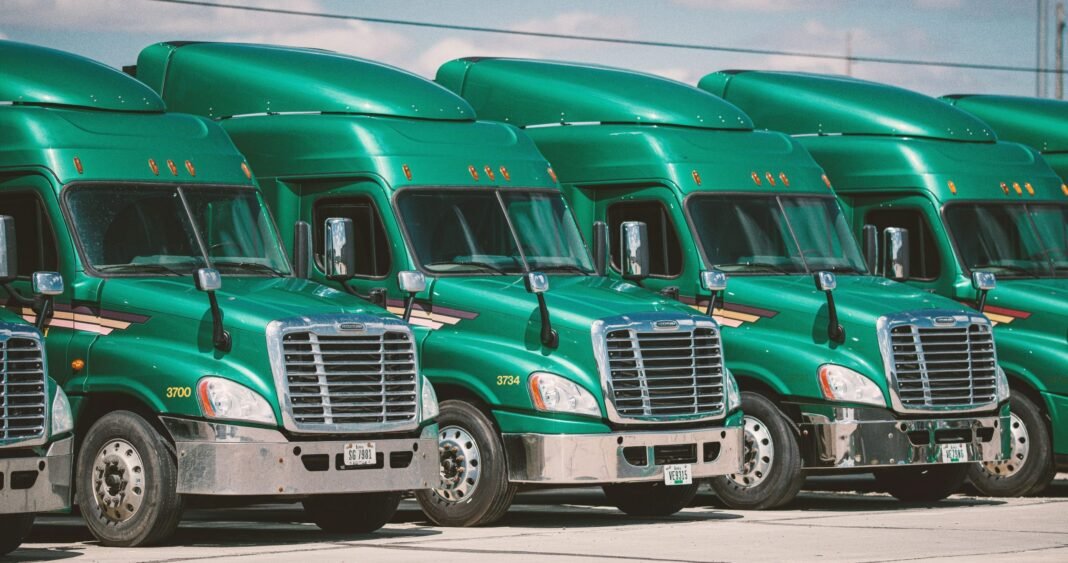
Photo by Khristina Sergeychik on Unsplash
Shipping Delays and Equipment Imbalances
Since the outbreak of war, major carriers have suspended routes through the Red Sea and Gulf region. The significant rerouting around the Cape of Good Hope means additional weeks added to transit times. This longer routing, along with equipment getting stuck in the wrong regions, is increasing carrier insurance costs and fuel consumption and causing severe container shortages in the U.S.
Operational Productivity and Earnings
The combination of higher fuel prices and delayed deliveries compresses margins for carriers and creates immense pressure on overall productivity. Shippers now face higher rates, which are, in turn, passed down the supply chain.
The Impact on Fleet Management Operations
For U.S.-based fleets, the war is driving up costs across the board. In addition to fuel, the cost of moving goods — particularly heavy freight — is under immense pressure. As operators seek to maximize loads to offset these higher costs, understanding the efficiency of large equipment transportation becomes crucial, as the GVWRs mentioned directly affect fuel consumption.
Moreover, the unpredictability of transit times also makes scheduling maintenance and driver hours of service more challenging, potentially increasing overtime costs and decreasing overall fleet efficiency. This period in global logistics is sure to test the effectiveness of your fleet management software and reveal new ways to use it.
Similarities to the UK Logistics Sector
As a UK fleet manager, the crisis in the Middle East will feel strikingly familiar. While the geographical focus is on the U.S. and Iran, the conflict’s logistical ramifications are truly global.
- Ocean freight disruption: Just as there are delays on U.S. goods, container shipments to the UK are facing similar holdups due to the maritime bottlenecks.
- Inflationary pressures: Similar to the U.S., the UK is experiencing rising inflation driven by increased energy and transportation costs.
- Fuel price volatility: UK operators are seeing fuel surcharges increase rapidly, challenging their operational budgets and demanding stricter cost controls.
The Key Difference Between U.S. and UK Logistics
The U.S. relies heavily on truck transport for internal distribution, meaning fuel price spikes immediately affect domestic freight rates. In the UK, transport focus is often on congestion at major ports, such as Felixstowe and Southampton, due to delayed vessels, resulting in a shortage of goods rather than just higher transport costs.
Planning for Continued Instability
The 2026 U.S.-Iran conflict has highlighted a primary vulnerability in the globalized supply chain. Whether you operate in the U.S. or the UK, the key takeaway is that volatility has quickly become the new normal. For fleet managers, prioritizing flexibility in routing, aggressively managing fuel efficiency and communicating openly with customers about potential delays defines the proactive management methods that will best safeguard your logistical operations from this ongoing global disruption.

