
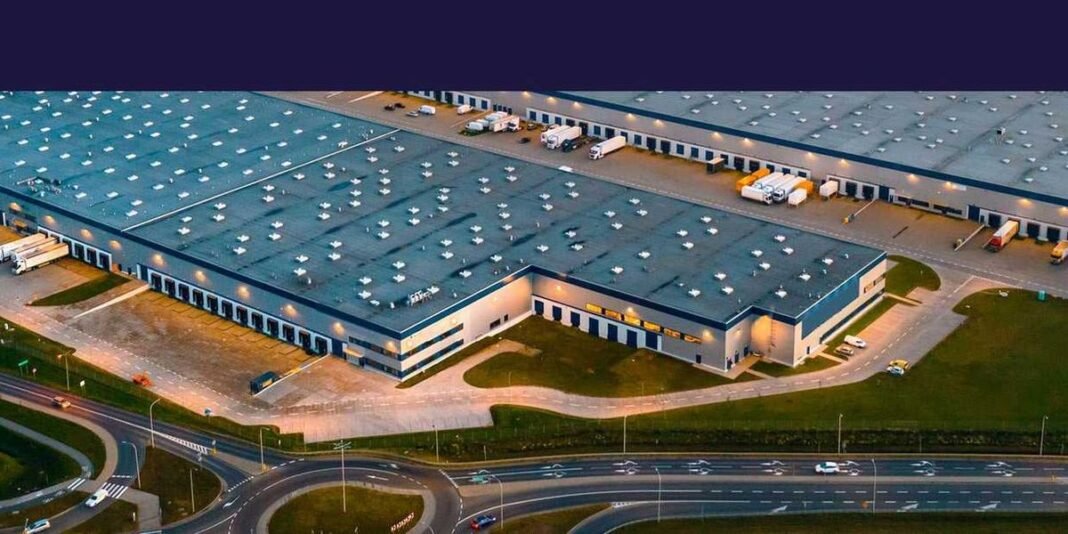

Demand for warehouses larger than 700,000 square feet surged in the second half of 2025 in the Southeast U.S., signaling a strong rebound in big-box activity after a brief slowdown in 2023 and 2024, according to Cushman & Wakefield.
The Southeast region captures a disproportionate share of large-scale demand, and has led the nation in four of the past five years, driven by 3PL, manufacturing, and retailer/wholesaler users, Cushman & Wakefield’s “Southeast Scales Up” report says.
Across the region, the Southeast recorded 137.2 million square feet of leasing for requirements 700,000 square feet or greater between 2020 and 2025—more than any other U.S. region, with one out of every four big-box leases signed nationally occurring in the Southeast.
While the Southeast region leads the way, the big-box trend aligns with the broader national “flight to quality.” Over the past three years, 85.4% of large-format (700,000+ sq. ft.) leases nationally were executed in buildings delivered since 2020. Many occupiers are exiting multiple smaller, outdated buildings and consolidating into modern Class A facilities with advanced automation and higher power capacity, the firm said.
What’s more, big-box occupiers increasingly have moved away from speculative leasing towards customized build-to-suit (BTS) solutions. The Southeast has become the nation’s leading hub for large-format BTS development, accounting for 46% of all U.S. big-box BTS projects delivered since 2020 or currently underway. Warehouse/distribution product remains the dominant driver, representing 76% of BTS deliveries in the Southeast, though manufacturing continues to gain share.
“This shift toward built-to-suit reflects a more disciplined, long-term approach to site selection among the nation’s largest industrial users,” Christa DiLalo, Senior Director of Research – East Region, Cushman & Wakefield, said in a release. “Companies are prioritizing automation, operational control, and long-term efficiency over speed-driven speculative leasing.”

