

Volkswagen has announced a major recall affecting almost 100,000 electric vehicles (EVs) worldwide, citing defects linked to high-voltage battery modules. The move highlights ongoing challenges within the EV sector, particularly around battery reliability, safety and supplier quality control.
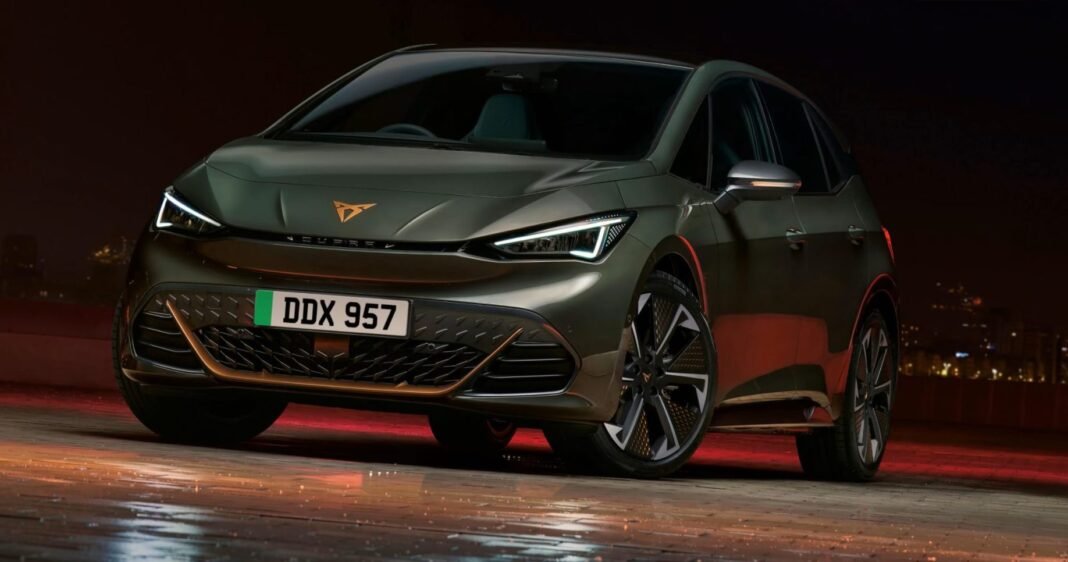
The recall, confirmed by Germany’s Federal Motor Transport Authority (KBA), affects approximately 75,000 Volkswagen ID-series vehicles alongside nearly 20,000 Cupra Born models built between early 2022 and mid-2024.
The root cause: battery module defects
At the centre of the recall is a technical issue involving battery modules that do not meet Volkswagen’s required specifications. These modules form part of the high-voltage battery system, which is critical to both performance and safety in electric vehicles.
According to regulators, non-compliant modules can lead to a noticeable reduction in driving range and trigger warning indicators within the vehicle. More significantly, in rare cases, the defect may cause thermal overload within a battery cell, creating a potential fire risk.
While no injuries or property damage have been reported, the possibility of overheating has prompted a precautionary recall. This reflects a broader industry trend in which manufacturers act early to mitigate even low-probability safety risks in EV batteries.
Why battery issues are critical in EVs
Battery systems are the most complex and expensive component of an electric vehicle. They operate under high voltage and temperature conditions, meaning even small deviations in manufacturing quality can have significant consequences.
In this case, the issue appears to stem from inconsistencies in battery module production or assembly. Volkswagen sources battery cells from external suppliers and integrates them into modules in-house, which introduces multiple points where defects can occur.
The recall underscores the importance of stringent quality control across the EV supply chain, particularly as manufacturers scale production rapidly to meet growing demand.
Which vehicles are affected?
The recall covers a broad range of models built on Volkswagen’s MEB electric platform. This architecture underpins many of the group’s most popular EVs and is shared across brands.
Affected vehicles include the Volkswagen ID.3, ID.4, ID.5 and ID. Buzz, as well as the Cupra Born. These models were produced between February 2022 and August 2024, although specific production windows vary slightly by model.
Globally, around 94,000 vehicles are impacted, with approximately 28,000 located in Germany alone.
The inclusion of multiple models reflects the shared platform and battery architecture, meaning a single component issue can affect a wide range of vehicles.
How Volkswagen will fix the problem
Volkswagen has outlined a multi-step solution designed to address both immediate risks and long-term reliability.
Owners of affected vehicles will be asked to bring their cars to authorised dealerships, where technicians will carry out a software update and inspect the high-voltage battery system. The software update is intended to improve detection of irregularities within battery modules, allowing the vehicle to identify potential faults earlier.
If any modules are found to be defective or outside specification, they will be replaced individually rather than requiring a full battery replacement.
This targeted approach reduces repair costs and minimises downtime for customers while ensuring safety standards are restored.
Broader implications for Volkswagen and the EV market
This recall is not an isolated incident. Volkswagen has previously issued battery-related recalls in other markets, including a separate action in the United States affecting tens of thousands of ID.4 vehicles due to overheating risks.
Taken together, these incidents highlight the growing pains of large-scale EV production. As automakers transition from internal combustion engines to electric drivetrains, they must adapt to new engineering challenges, particularly around battery chemistry, thermal management and supplier coordination.
For Volkswagen, the recall may impact consumer confidence in the short term, especially as the ID range forms a core part of its electrification strategy. However, proactive recalls and transparent communication can also reinforce trust, demonstrating a commitment to safety.
Conclusion
Volkswagen’s recall of nearly 100,000 electric vehicles is primarily driven by concerns over battery module quality, which can affect performance and, in rare cases, safety. The issue impacts several key models across the ID range and the Cupra Born, all built on the same EV platform.
By implementing software updates, conducting inspections and replacing faulty modules where necessary, Volkswagen aims to resolve the problem efficiently while maintaining customer confidence. The episode serves as a reminder that while electric vehicles represent the future of mobility, ensuring battery reliability remains one of the industry’s most critical challenges.

