

Walk into most repair shops today and you’ll still see one of the oldest tools in the bay: the tread gauge.
It’s reliable. Familiar. Easy to use. But smarter tools are starting to take its place.
As vehicles grow more complex, service bays busier, and customers more skeptical, the way shops conduct tire inspections is under more scrutiny than ever. The tread gauge still works, but how it’s used, how its results are explained, and how consistent the process is from tech to tech, that’s where things start to wobble.
And that’s exactly where forward-thinking shops are starting to reconsider the way they inspect tires.
Tire inspections might seem like a small part of the day, but they often carry big weight.
They’re frequent. They’re safety-related. And they’re often the starting point for other high-value services like alignments or tire replacements.
Yet despite their importance, tire checks are still largely manual. A few pressure points, a technician’s judgment, and, if there’s time, a note in the system. No visuals, no documentation, and no standardized process to ensure every inspection meets the same level of quality.
And that’s a problem. Because inconsistency doesn’t just affect shop efficiency. It affects safety, customer trust, and the bottom line.
Today’s drivers aren’t just asking “do I need this?”, they’re asking “why?”
When a tire recommendation comes without visible proof, the default response is hesitation. Not because customers don’t value safety, but because they’re wary of upsells they can’t verify.
This is where inspections supported by visual evidence and digital records are reshaping the conversation. When a technician can point to wear patterns or aging indicators in a simple report, the customer’s experience shifts from suspicion to confidence.
And confidence leads to approvals.
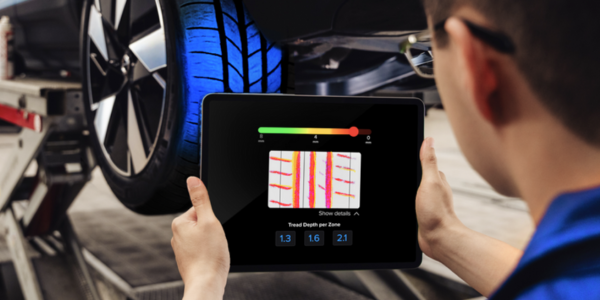
Across the industry, a new kind of tire check is emerging. One that doesn’t just capture a few depth readings, but analyzes patterns, flags safety concerns, and helps technicians explain their findings with clarity.
It’s made possible by AI (artificial intelligence) technology that scans, reads, and interprets tire data across tens of thousands of contact points, not just a handful. This kind of analysis isn’t replacing technicians. It’s reinforcing them.
It helps spot uneven wear that could indicate misalignment. It highlights inconsistencies across the set. It identifies aging tires that still look fine on the surface. And crucially, it puts all of that into a format a customer can understand, without needing to know a thing about tread codes.
The tech is already here. Many shops are adopting it with tools they already have, like smartphones. And the benefit isn’t just more accurate inspections. It’s better communication.
A tire inspection used to be a quick task squeezed between bigger jobs. But with customers having alternatives at the tip of their fingers with online resellers, it’s becoming something more.
When inspections are supported by AI, documented digitally, and delivered visually, they become a point of differentiation. They help shops build stronger relationships with customers. They help managers ensure consistent service across the team. And they help technicians recommend the right work with more confidence. It also unlocks the opportunity to up and cross-sell with the right message, at the right time.
Most importantly, they give the customer something they’ve always wanted: an honest answer they can see.
The tread gauge has defined tire inspections for decades. But the future of the bay won’t be defined by handheld tools and handwritten notes.
As more service providers adopt AI-supported tire checks, we’re entering a new era where inspections are no longer based on feel and trust alone, but on data, consistency, and clarity.
This isn’t just about upgrading a process. It’s about reframing what an inspection represents: not just a safety check—but a chance to build trust, support smarter service, and keep customers coming back.
Tools like Anyline’s TireBuddy app enable that shift, quietly replacing friction with confidence, and turning routine checks into something more strategic.
Soon, tire inspections won’t just measure tread. They’ll measure trust.
And shops that understand that shift early won’t just stay relevant. They’ll lead.
Sponsored by Anyline.

