

The port and logistics sector in Belgium sees digital innovations as a clear engine for growth, but decabonization is more difficult. This is evident from the ninth ING Havenstudie, which was presented in Antwerp on September 22.
The study “Headwinds and Tailwinds in the decarbonization and digitization of the Belgian Port, Transport and Logistics Industry“Combines in-depth analysis with survey insights of 75 top profiles from the sector. It puts the finger on port companies, domestic terminals, logistics and transport companies, technology companies, and so on.
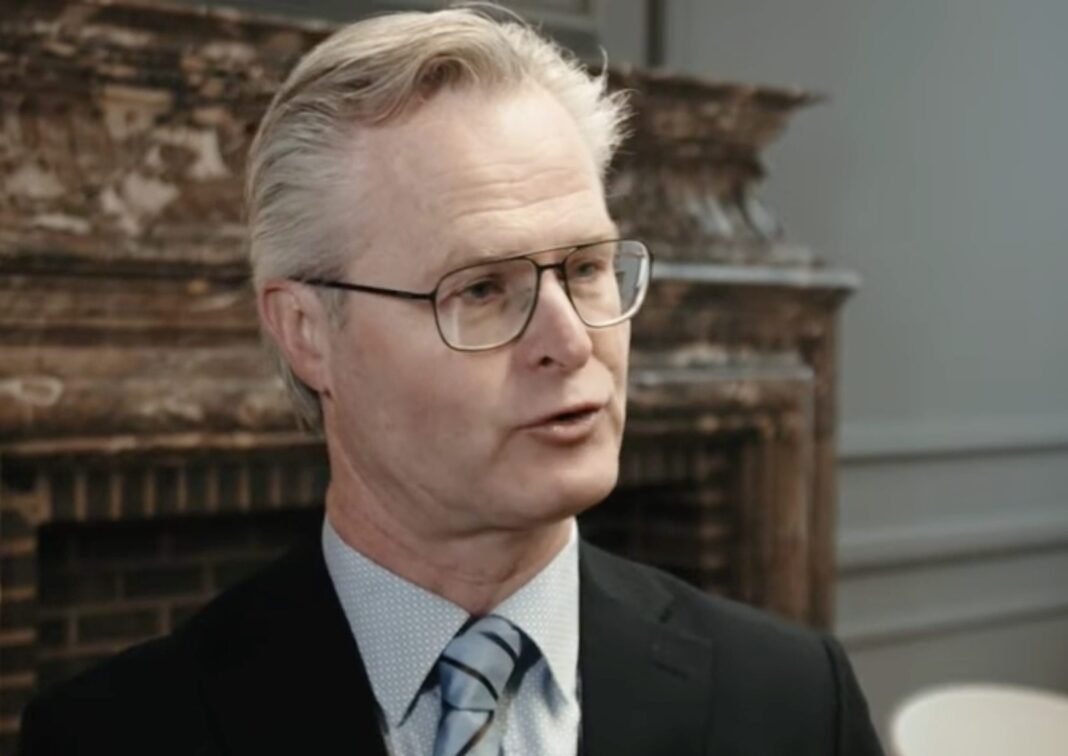
In the ING office Antwerp Metropool, Autors Theo Notteboom (Professor UAntwerpen, Photo) and Kris Neyens (Manager Internationalization Vil) presented the most important results from this study, then Lawrence Vanhove (Head of Transport & Logistics ING Business Banking Belgium) moderated a debate with Stéphanie Feys (executive Group Director Director Directorate Director Director) Gosselin), and both authors.
Download ING Port Study – Download PowerPoint presentation
Operational necessity
According to the researchers, the sector is at a tipping point: the combination of digitization and sustainability is no longer optional, but an operational necessity. Whereas investments in digital applications often immediately render – 81% of the companies questioned see it as a strengthening of their competitiveness – decarbonization becomes more experienced as a heavy, sometimes difficult obligation. “Companies want, but the objectives are more feasible than expected,” says Theo Notteboom. “According to companies, the lack of a stable and consistent government policy is the biggest obstacle.”
Digitization, on the other hand, quickly yields a clear ‘return on investment’. Companies see technological solutions, such as AI, IoT, robotics and digital twins, no longer seen as future tools, but integrate them for predictive maintenance, freight treatment and optimization of traffic flows. These technologies make more responsive and data -driven operations possible, spread over terminals, warehouses and means of transport.
Moreover, digitization plays a role in attracting young talent and taking care of staff shortages. Theo Notteboom: “Anyone who focuses on digitization has an advantage for young people. It connects more closely with their world than the debate on decarbonization.”
Results prize
In the panel discussion, Dirk Vanhouttegem (Gosselin) pointed out that ESG reporting has become a real game changer: “It is no longer a green image, such as a few years ago. Companies have to achieve results effectively today. Because of the high investments, electrification remains a major challenge in road transport and inland shipping.”
Stéphanie Feys (Zuidnatie) responded that sustainability is more feasible for large players than for SMEs. “Small and medium -sized businesses sometimes threaten to quit due to high costs and administrative burdens. But you should not miss the train of digitization as a company: it strengthens your business and does indeed help attract young talent.”
Dirk Vanhouttegem: “We have been investing for a while 5% of our turnover in digitization. That seems a lot, but it is necessary. It helps you in your growth process.”
Five recommendations
To accelerate the transformation, Professor Theo Notteboom makes the following recommendations:
- Use ESG as a strategic lever: Companies should not see sustainability requirements as compliance obligations, but as a means to attract customers, investors and talent. Transparency about emissions and digital maturity is crucial.
- Strengthen business cases for green investments: The priority must be in the renewal of fleets and operational energy efficiency.
- Encourage adult collaboration and management models: The sector must make pilot projects to large -scale implementation thanks to coordinated action, shared measurement data and sector -wide platforms. Public-private partnerships are essential to share risks and bundle expertise.
- Gear the digital adoption: ‘Fast Followers’ must accelerate their integration of proven technologies, such as warehouse management systems and data analysis. They must also be open to emerging solutions such as AI and digital twins, which can improve decision -making.
- Invest in the development of employees and cultural change: Both transitions require new skills and a mentality shift. Companies must give priority to training programs to prepare their employees for a more automated, data -driven and sustainable future.

