
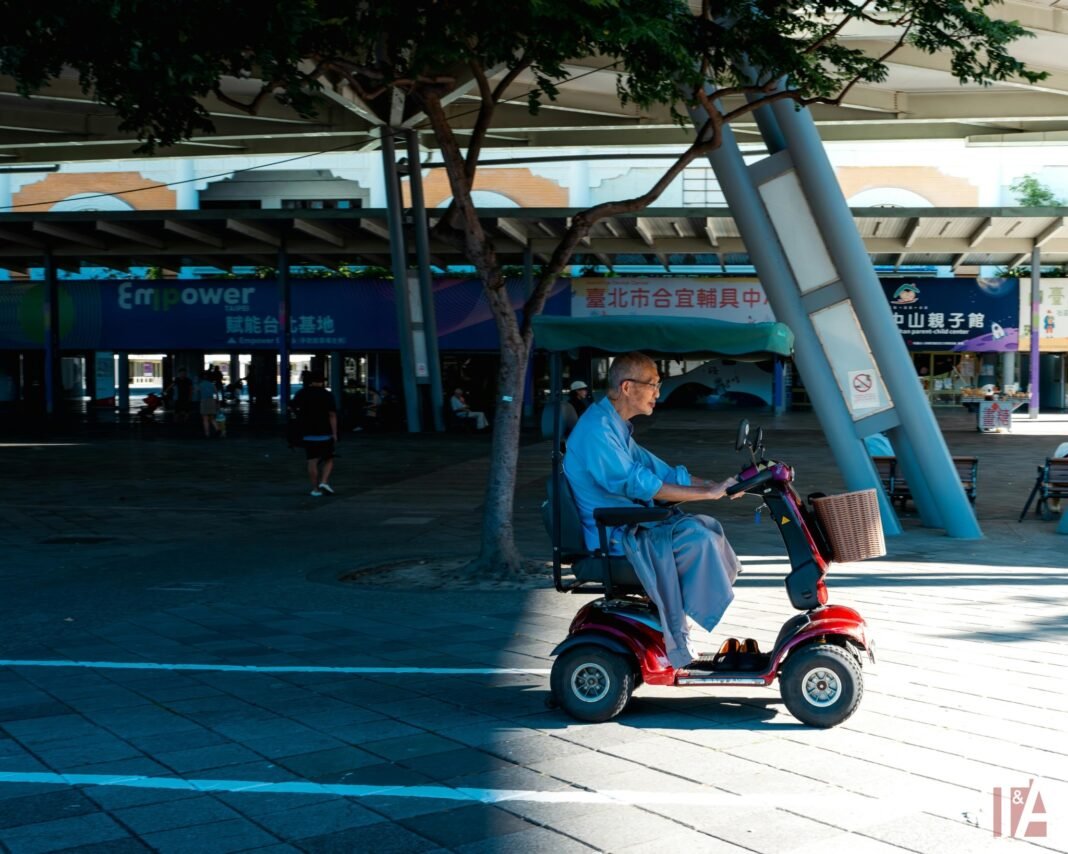

The size of a mobility scooter’s tyres might seem like a minor detail, but it significantly affects how these vehicles perform in everyday situations. Small-wheeled mobility scooters have become increasingly common on UK streets and shopping centres, offering users a compact solution for navigating tight spaces. These small wheels present both advantages and limitations that directly impact accessibility for those with mobility challenges.
Tyre size plays a role in everything from stability and comfort to the terrain a mobility scooter can safely cross. While smaller wheels allow for more nimble turning and easier storage, they can struggle with uneven pavements and outdoor obstacles that larger-wheeled models handle with ease.
Knowing how wheel dimensions affect performance in daily life helps ensure mobility devices truly deliver the independence they promise. For many users, the difference between a comfortable journey and a frustrating one often comes down to how their scooter’s tyres interact with the environment they navigate every day.
The Engineering Behind Mobility Scooter Tyres
Mobility scooter tyres differ from standard vehicles tyres in both size and design, generally being smaller in diameter. A folding scooter at a UK supermarket can navigate between tightly spaced aisles because the smaller tyre diameter keeps the vehicle light and compact.
The materials used in mobility scooter tyres also differ from standard automotive options. Many mobility scooters use rubber compounds that provide grip and some shock absorption, suitable for city rides. When researching affordable mobility scooters for sale in the UK, tyre quality directly affects the overall performance and longevity of the vehicle.
Weight distribution presents unique challenges in small mobility vehicles. With limited contact patches, these tyres must support the combined weight of the rider and the scooter’s battery system. This concentration of weight on smaller surfaces requires careful engineering to prevent premature wear.
Tyre diameter affects how mobility scooters handle obstacles. Smaller wheels struggle with bumps and gaps that larger wheels roll over easily. However, they allow for tighter turning circles, making indoor navigation simpler.
Battery efficiency in electric mobility vehicles links closely to tyre pressure and design. Properly inflated tyres reduce rolling resistance, allowing batteries to provide more range per charge. This relationship makes tyre maintenance particularly important for people who depend on disability scooters for daily activities.
Pneumatic vs Solid Tyres in Mobility Applications
Mobility scooters typically feature pneumatic (air-filled) or solid tyres, each with distinct benefits. They cushion impacts from kerbs and pavement cracks, reducing vibration transfer to the rider.
As explained in this in-depth tyre comparison, pneumatic tyres offer better shock absorption, while solid tyres provide puncture resistance and lower maintenance. Solid tyres, in contrast, offer complete puncture resistance. This maintenance-free design appeals to individuals who prioritize reliability over comfort. With no need to monitor air pressure or risk flats, solid tyres provide peace of mind for those who rely on mobility scooters daily.
The comfort difference between these options matters for people with physical sensitivities. Pneumatic tyres absorb vibrations that solid tyres pass directly to the frame. For individuals with back problems or pain conditions, this cushioning effect can determine whether a journey is comfortable or painful.
Terrain Adaptability and Surface Challenges
Tread patterns on mobility scooter tyres are created for use across various environments. Indoor patterns feature smoother surfaces that won’t mark floors while still providing enough grip. Outdoor-focused designs include deeper channels to disperse water and maintain traction on wet surfaces.
Weather conditions have a major impact on small vehicle tyre performance. Rain reduces grip and increases stopping distances. Cold temperatures can harden rubber compounds, further decreasing traction. Wider tyres are often chosen to help improve traction in wet weather.
Surface transitions create specific challenges for small-wheeled vehicles. Moving from pavement to carpet or crossing door thresholds requires tyres that can adjust rapidly to changing surfaces. The reduced contact patch of mobility scooter tyres makes these transitions more noticeable than in larger vehicles.
Grip requirements for inclines differ from flat-surface needs. When climbing ramps, mobility scooter tyres must maintain traction under shifting weight distribution as the vehicle tilts. This calls for tread patterns suited to the specific angles and speeds typical of accessibility ramps.
UK mobility scooter tyres are covered under general safety standards for electrically powered vehicles. These include compliance with The Supply of Machinery (Safety) Regulations 2008 and BS EN 12184. Tests assess tyre grip, resilience on different surfaces, and stability at low speeds.
Technological Innovations in Small Vehicle Tyres
New rubber compounds for mobility scooter tyres improve abrasion resistance, maintain comfort, and in solid models slow the ageing process.
Current mobility scooter tyres emphasise compound durability and vibration reduction, with advances focused on solid rubber technology and specialised tread patterns.
Puncture-resistant technologies, such as solid rubber tyres and specially engineered layers in pneumatic models, are now found in UK mobility scooters. These developments reduce the need for frequent repairs and support reliability for people with limited dexterity or strength.
Weight reduction refinements continue to bring better results for mobility scooter performance. Lighter tyres require less energy to move, which can help extend battery range without compromising structure. This efficiency gain means people may be able to travel further on a single charge when using affordable mobility scooters for sale in the UK.
Sustainability Considerations
Specialised mobility vehicle tyres present unique recycling challenges. Their specific compounds and smaller sizes often need dedicated processing that differs from standard automotive tyre recycling. In the UK, initiatives like the Tyre Recovery Association’s Responsible Recycler Scheme ensure proper collection and processing by accredited recyclers.
At present, there are no widely available eco-friendly mobility scooter tyres on the UK market from major manufacturers. Most tyres are still made with traditional rubber compounds rather than verified bio-based or recycled materials. For those seeking lower environmental impact, working with verified recyclers or choosing long-life products presents the most practical pathway.
Tyre lifespan depends on terrain, rider weight, type, and regular maintenance. Proper care, including correct tyre pressure, extends service life and reduces environmental impact.
Regulatory Standards and Safety Implications
UK regulations classify mobility scooters into categories that determine where they can be used. Class 2 scooters, limited to 4 mph, are designed for pavements. Class 3 vehicles can reach 8 mph on roads. Tyre specifications must match these categories to provide safe use within legal allowances.
Speed limitations are closely connected to tyre design and safety. Tyres must provide enough stability and braking performance at the maximum speed of the vehicle. This connection between speed capability and tyre specification plays an important role in safety and satisfying regulations.
Braking distances on mobility scooters are affected by tyre compound and tread pattern. Softer compounds and deeper tread can help maximise grip on different surfaces. This provides better control during stopping. The choice of tyre greatly affects stopping performance, especially on wet pavements or sloped ramps.
Insurance providers take tyre specifications into account when determining coverage for mobility scooters. Vehicles with proper tyres for their intended use generally qualify for better terms. Liability factors also extend to tyre maintenance, as poorly maintained tyres can contribute to accidents and subsequent claims.
Future Directions in Accessibility Vehicle Tyres
Mobility scooter tyre development in the UK currently focuses on practical improvements. Better compound durability, puncture resistance, and tread pattern changes remain priorities. Leading brands use materials refined in the automotive and cycling industries to address reliability and comfort needs.
Customisation is becoming more popular to address individual preferences. People with particular medical conditions may benefit from specialised tyres. Extra shock absorption helps those with pain conditions. Unique grip patterns suit specific environments.
Those researching disability scooters with advanced tyre technology can find detailed resources online. Various models feature different tyre configurations designed to meet different accessibility needs, from indoor maneuverability to outdoor stability.
Choosing the right mobility scooter tyres goes far beyond basic functionality. It directly shapes comfort, safety, and daily independence. From size and material to tread and pressure, each detail plays a crucial role in how these vehicles navigate real-world terrain. As technology evolves toward smarter, more responsive tyres, users can look forward to increased efficiency and customisation. Whether for tight indoor corners or unpredictable outdoor surfaces, well-chosen tyres help ensure mobility that feels both reliable and liberating.

