
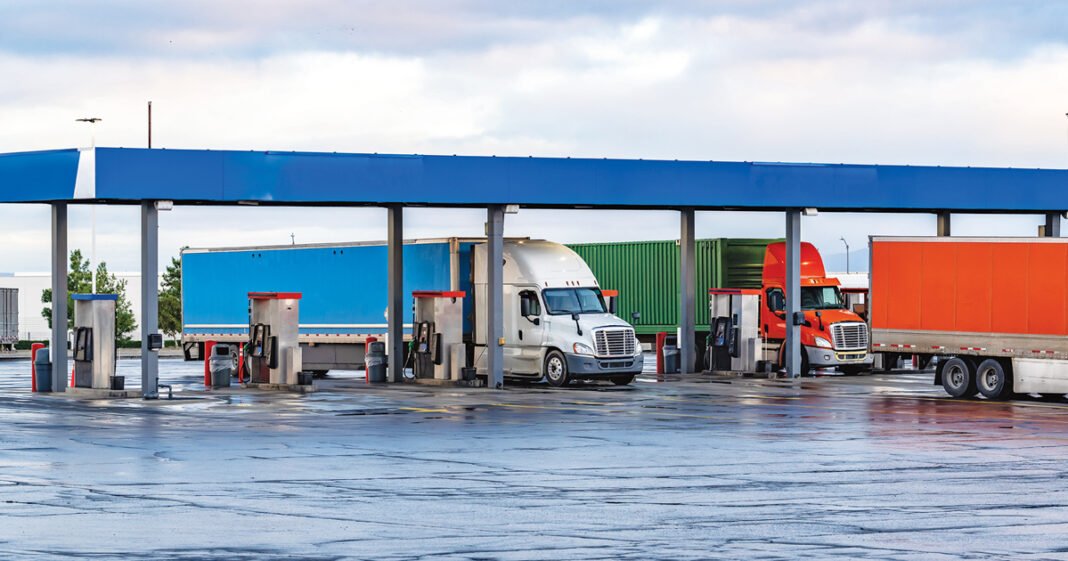

Diesel prices are jumping, with futures up as much as 17%. (vitpho/Getty Images)
March 2, 2026 11:53 AM, EST
Key Takeaways:
- Gasoline and diesel futures surged after U.S. and Israeli attacks on Iran halted most tanker traffic through the Strait of Hormuz.
- The spike threatens President Donald Trump’s energy message as crude jumped 14% and analysts warn rising pump prices are politically sensitive.
- Continued disruption in Hormuz and seasonal shifts to pricier summer gasoline could push costs higher, with limited options for the White House to intervene.
Gasoline and diesel futures surged on the first day of trading after the U.S. and Israel launched attacks on Iran, threating to blot out one of the biggest bright spots of President Donald Trump’s energy agenda.
Gasoline futures jumped as much as 9% March 2 as the flow of tankers carrying crude and fuel through the Strait of Hormuz all but ceased. Average retail prices in the US hit $3 a gallon on March 1, the highest in three months, according to the American Automobile Association.
Trump frequently touts falling gasoline prices when talking about American energy dominance, claiming last week they were below $2.30 a gallon in most states even as the national average was $2.98. While it’s unclear how long it will last, the run up in prices threatens to pose a significant impediment for the president and his party as midterm elections loom later this year.
“Americans have very staunch beliefs on how much they should pay for gasoline,” Patrick De Haan, GasBuddy’s head of petroleum analysis, said in an interview. “So it does become a political liability.”
Global oil futures surged the most in four years Monday, rising as much as 14%. The price of crude accounts for about half of how much motorists pay at the pump. And when oil rises quickly, gasoline prices tend to follow suit.
“It’s the rockets and feathers effect,” Christopher Knittel, a professor of energy economics at the Massachusetts Institute of Technology. “When things are going up — they go up fast.”
One east coast chain raised prices by 15 cents a gallon over the weekend, a person familiar with the matter said speaking on the condition of anonymity.
Diesel prices are jumping too, with futures up as much as 17%, and retail prices topping $3.75, to the highest in more than three months.
Republicans have already been on the defensive over rising electricity bills in recent months. Yet gasoline prices, one of the most visible signs of inflation, are especially potent politically. Voters typically blame the White House when they rise.
The White House and Energy Department didn’t immediately respond to a request for comment.
Those increases in gas prices come on top of an annual transition from winter-grade gasoline to summer-grade gasoline, as refiners gradually produce gasoline that pollutes less in warm weather but costs more to make. That transition has already brought prices off their seasonal winter lows, but could add up to another 40 cents a gallon as it continues, De Haan said.
Iran pumps about 3.3 million barrels of oil a day, making it OPEC’s fourth-largest producer. But the nation wields far greater influence over the world’s energy supplies because of its strategic location on the Strait of Hormuz, the shipping lane for about a fifth of the world’s crude from suppliers including Saudi Arabia and Iraq.
While the strait is technically open as of March 1, ships have largely stopped traversing it and many insurers plan to withdraw coverage of war risks for vessels entering the Persian Gulf. The longer it continues, the more it become a potential problem for Trump.
“No president really has good options for a prolonged disruption to Hormuz flows,” Bob McNally, president of consulting firm Rapidan Energy Group. “The only thing to do is shorten the disruption.”
While Trump often takes credit for falling gas prices — which as of last week were on average down about 4% nationally since he took office — the reality is presidents have limited control over energy markets.
One of the few levers the president can pull to bring prices down is selling barrels from the US Strategic Petroleum Reserve. The reserve, however, is only about half full, containing about 415 million barrels, following a series of draw downs during the Biden-administration.

