
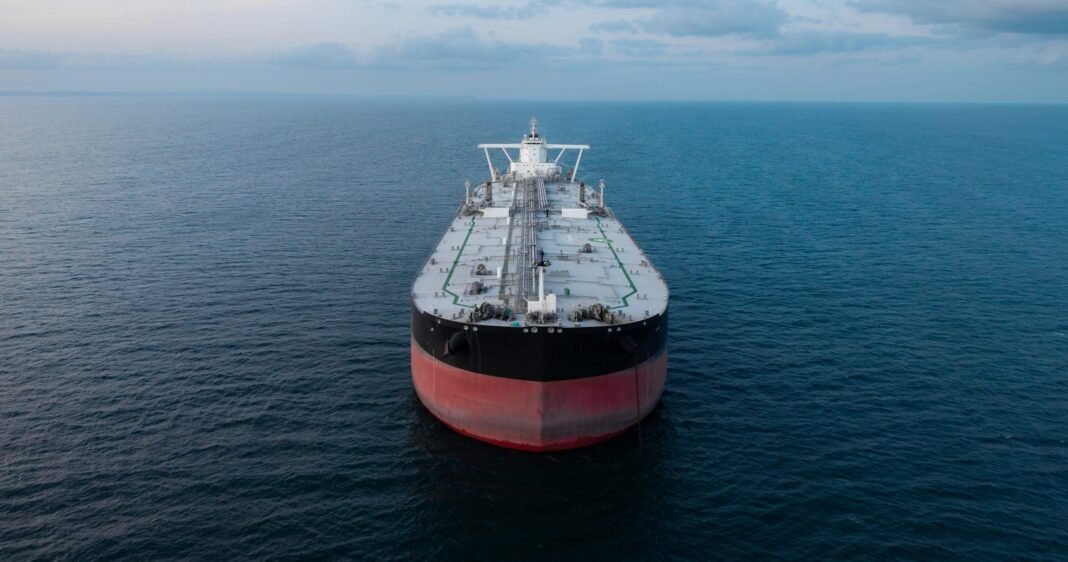

The closure of the Strait of Hormuz amid escalating conflict in 2026 represents one of the most severe shocks to global logistics and supply chains in modern history. As a critical maritime chokepoint responsible for around 20% of global oil and liquefied natural gas flows, disruption to this narrow waterway has triggered immediate and far-reaching consequences for freight, energy markets and economic stability worldwide.
https://depositphotos.com/portfolio-2465573.html?content=vector
A Critical Artery for Global Trade
The Strait of Hormuz is widely regarded as the most important energy transit route on earth. Its sudden closure has effectively halted tanker traffic, with volumes falling to near zero and more than 150 vessels stranded or diverted.
This has created an immediate supply shock. According to industry analysis, the disruption affects roughly one-fifth of global oil supply, alongside significant volumes of LNG, making it “the largest disruption to the energy supply since the 1970s.”
The International Maritime Organization has warned that even military escorts cannot guarantee safe passage, underlining the severity of the situation. As its chief stated, escorts are “not a sustainable solution” to ensuring access.
Immediate Impact on Logistics and Shipping
Global logistics networks have been severely disrupted. Shipping costs have surged to record highs as vessels reroute around the Gulf or avoid the region entirely. Freight rates for crude carriers have spiked dramatically, with some routes exceeding $400,000 per day.
The knock-on effects are visible across all transport modes. Air freight rates between Asia and Europe have risen by around 45%, reflecting the urgency of moving goods via alternative routes.
Rerouting cargo adds both time and cost. As Ben Fahimnia, who specialises in supply chains and transport logistics at the University of Sydney noted, “re-routing ships adds time, cost, and… risk,” while alternative pipelines and routes can only handle a fraction of displaced volumes.
The disruption is also reshaping global trade patterns. Shipping lanes such as the Panama Canal may see increased demand as companies seek shorter, safer alternatives, highlighting how quickly logistics networks adapt under pressure.
Supply Chain Disruption Across Sectors
The consequences extend far beyond energy. Modern supply chains are deeply interconnected, and higher transport costs combined with energy shortages are cascading across industries.
Manufacturing sectors reliant on petrochemicals, plastics and fertilisers are particularly exposed. Oil and gas are not only fuels but also key industrial inputs, meaning price shocks ripple into agriculture, chemicals and consumer goods.
Developing regions are especially vulnerable. African economies, for example, face disruptions to fertiliser imports and rising food insecurity, demonstrating how supply chain fragility can translate directly into humanitarian risk.
Even advanced economies are feeling the strain. Energy rationing, reduced industrial output and supply shortages are being reported across Asia and Europe, where dependence on Middle Eastern energy imports is highest.
Fuel Price Surge and Inflationary Pressure
The most immediate and visible consequence of the Strait’s closure has been a sharp rise in fuel prices. Oil prices have surged above $100 per barrel, with some forecasts suggesting levels could reach $150 if disruption persists.
Retail fuel prices are already responding. In the United States, diesel prices have jumped by 37% in a single month, approaching $5 per gallon, placing significant pressure on logistics operators and agriculture.
Globally, the price spike is feeding directly into inflation. Higher fuel costs increase the cost of transporting goods at every stage of the supply chain, from raw materials to last-mile delivery. This creates a compounding effect, pushing up prices for food, consumer goods and industrial products.
In the UK and Europe, analysts warn that energy price rises will translate into higher pump prices and increased cost-of-living pressures, echoing previous energy crises.
Structural Impact on Logistics and Supply Chains
Beyond the immediate shock, the closure of the Strait of Hormuz is likely to accelerate structural changes in global logistics.
Firstly, supply chain diversification will become a priority. Companies are likely to reduce reliance on single transit routes and suppliers, investing in regionalisation and alternative sourcing strategies.
Secondly, energy security will move to the forefront of logistics planning. Countries are already releasing strategic reserves and seeking alternative suppliers, including increased reliance on US and African energy exports.
Thirdly, cost volatility will become a defining feature of logistics operations. Insurance premiums, freight rates and fuel surcharges are all rising due to heightened geopolitical risk, making long-term planning more complex.
As Bank of America analysts warn, the broader risk is not just inflation but a “synchronised global economic slowdown” driven by sustained disruption.
Temporary Shock or Lasting Transformation?
The duration of the Strait’s closure will determine the long-term impact. Some analysts suggest that if disruption is short-lived, prices may stabilise. As one expert noted, “if the conflict does not keep Hormuz materially closed for long, I would expect prices to ease.”
However, prolonged instability could fundamentally reshape global trade. Persistent disruption would entrench higher energy costs, accelerate inflation and force a reconfiguration of supply chains on a scale not seen in decades.
The closure of the Strait of Hormuz has exposed the fragility of global logistics and supply chains in the face of geopolitical shocks. With energy flows disrupted, shipping costs soaring and fuel prices surging, the effects are being felt across every sector of the global economy.
Whether this remains a short-term crisis or becomes a catalyst for long-term transformation will depend on how quickly stability can be restored. What is clear, however, is that the world’s dependence on critical chokepoints like Hormuz represents a systemic risk that can no longer be ignored.
Mark Salisbury, Editor, Fleetpoint

