
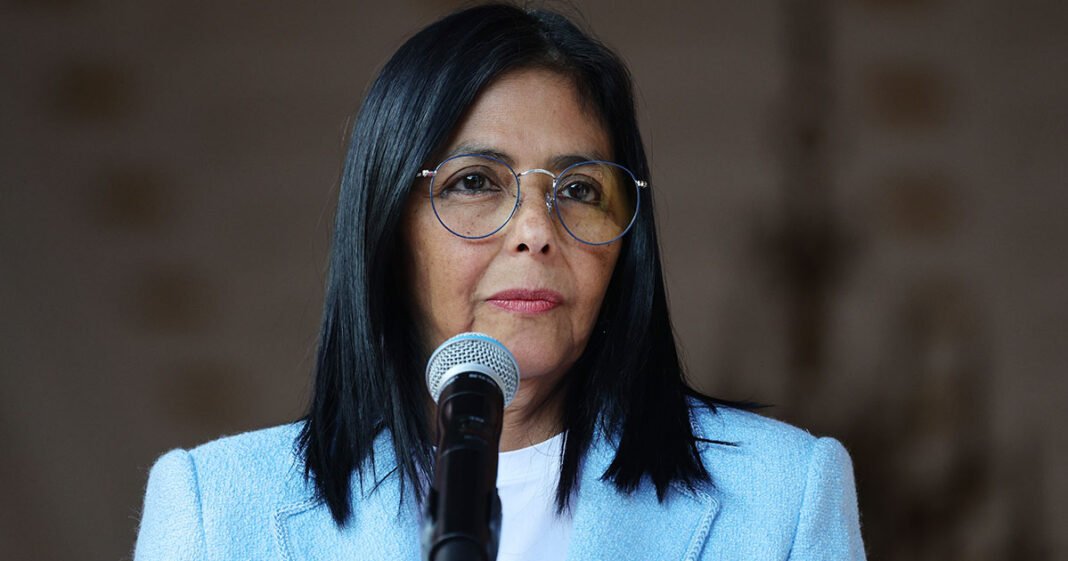

Interim Venezuela President Delcy Rodriguez had called for deals struck under Nicolas Maduro’s rule to “be respected.” (Jesus Vargas/Getty Images)
March 4, 2026 5:45 PM, EST
Venezuela and the U.S. are scrutinizing dozens of confidential oil contracts signed during the reign of ousted strongman Nicolas Maduro, according to people familiar with the situation.
The deals, conceived as a means of circumventing U.S. sanctions to fund the socialist regime, involved oil fields across the Latin American nation, the people said.
The agreements, known as productive participation contracts, allowed investors to pump and trade crude while keeping their names secret to avoid economic reprisals by the U.S., said the people, who asked not to be identified discussing confidential matters. The contracts also allowed the government to work with private companies despite legal restrictions on oil sales by non-state actors.
Now, under pressure from the Trump administration, the Venezuelan government is auditing the firms involved, while U.S. officials inspect export paperwork, the people said. The inquiries may slow any recovery of the Venezuelan oil sector, especially if it makes other companies reluctant to sign new contracts to drill for crude.
“There are many concerns on how these contracts were awarded,” said Juan Fernández, a former executive at state oil company Petróleos de Venezuela SA who now advises opposition leader Maria Corina Machado on oil policy. “But on the other hand, if they are currently producing barrels of oil, we need those barrels. So we need to balance how we are going to deal with this.”
Maria Corina Machado, opposition party leader in the country. (Bloomberg)
It’s also unclear if Venezuela will resist the U.S. entreaty. On March 3, PDVSA announced it had inked supply contracts with companies trading crude oil and refined products destined for the U.S., just days after interim President Delcy Rodriguez called for deals struck under Maduro’s rule to “be respected.”
Neither PDVSA nor the Information Ministry responded to requests for comment.
PDVSA has not published an official list of firms holding contracts signed before Maduro’s Jan. 3 capture by U.S. forces.
Rodriguez has said there were a total of 31 such agreements. Only a handful actually pump and trade oil, according to documents reviewed by Bloomberg. Eight of them were producing a combined 210,000 barrels a day on average by mid-February.
Many of the contracts cover parts of the prolific Lake Maracaibo area and the Orinoco Belt. The contracts were a push by PDVSA to fill the void left when Western producers were stripped of assets during a nationalization campaign or later pressured to leave under pressure from the U.S.
RELATED: Shippers and Oil Traders Seek Details on Trump’s Convoy Plan
The Iran war has underscored the geopolitical value of producing oil in Latin America, which is close to both Europe and the U.S. and doesn’t rely on trade routes through the conflict zone.
Venezuela is unique in the region in that it has vast amounts of underdeveloped oil fields that could deliver a sustained surge in output over the next decade. Many other crude producers in the region are in decline or will peak by the mid 2030s without major new discoveries.
“The Venezuelan heavy crude that can feed Gulf Coast refineries in the U.S. becomes even more strategic and valuable,” said Theodore Kahn, a director at Control Risks in Bogotá. “We have midterm elections coming up, and Trump doesn’t want gas prices to increase in the U.S.”
There are also joint ventures with Russian and Chinese entities, countries that Trump wants to displace from Venezuela, that are now uncertain.

