
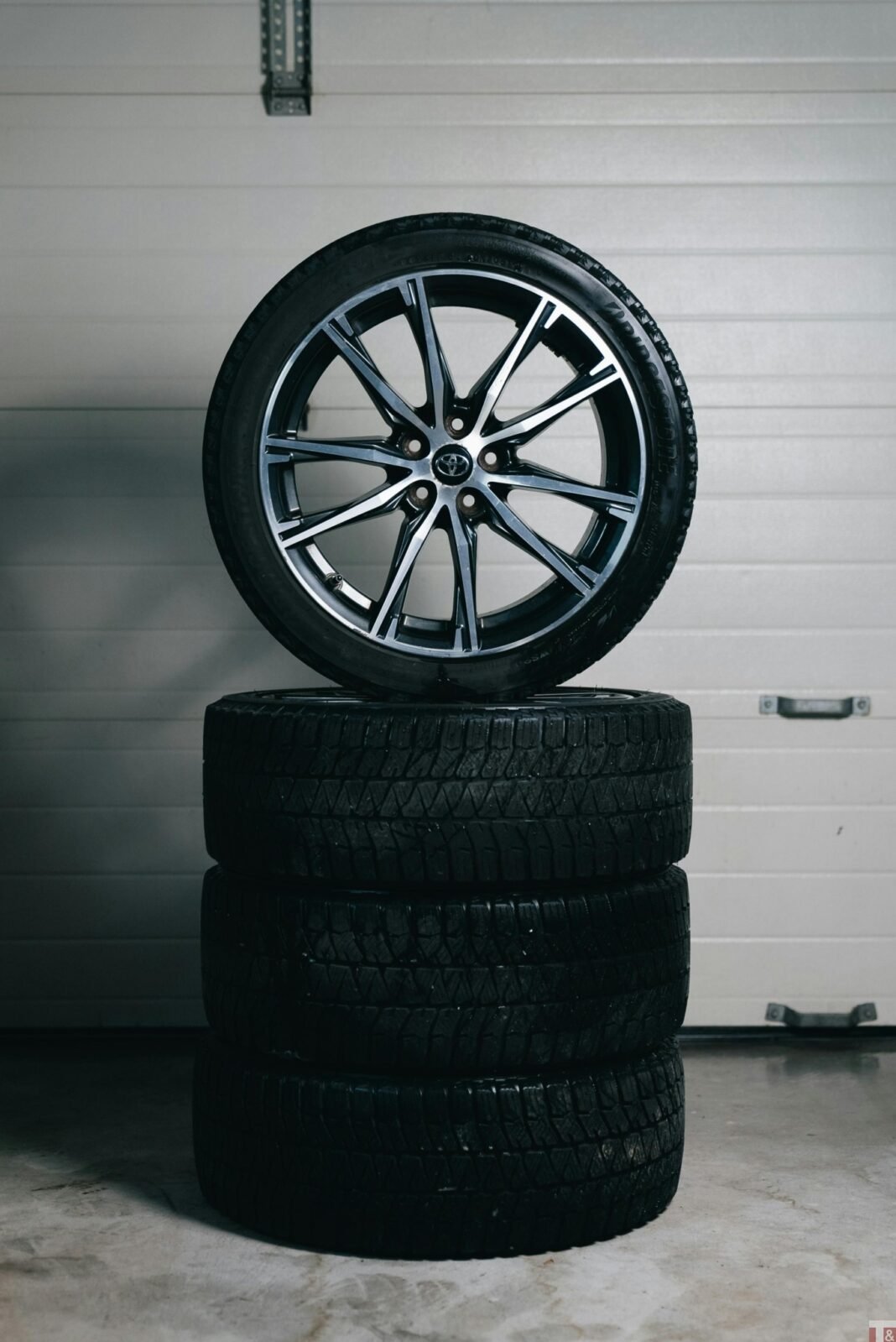

Car tyres are one of the most important yet often overlooked parts of a vehicle. While drivers usually focus on engine performance or fuel efficiency, tyres quietly do the hard work of keeping the car stable, responsive, and safe on the road. Every time you accelerate, brake, or turn the steering wheel, your tyres are responsible for how your vehicle reacts.
Choosing the right car tyres and maintaining them properly can significantly improve your driving experience. From daily commuting to long-distance travel, good tyres provide confidence, comfort, and peace of mind in all driving conditions.
Why Car Tyres Matter More Than You Think
Tyres are the only point of contact between your vehicle and the road. This means their condition directly affects grip, handling, and braking distance. High-quality tyres help your car stay stable on wet roads, reduce the risk of skidding, and improve overall control.
Worn or poorly maintained tyres can cause longer stopping distances and reduced traction, especially during rain or cold weather. Over time, this can increase the risk of accidents and make driving feel stressful rather than smooth. Investing in the right tyres is not just about performance — it is about safety for you, your passengers, and other road users.
Understanding Different Types of Car Tyres
Not all tyres are designed for the same conditions. Understanding the main tyre categories can help you choose the most suitable option for your needs:
- Summer tyres – Designed for warmer temperatures, offering excellent grip, handling, and braking on dry and wet roads
- Winter tyres – Built to perform in cold conditions, providing better traction on snow, ice, and slush
- All-season tyres – A practical choice for drivers who want reliable performance throughout the year without changing tyres seasonally
- Performance tyres – Focused on enhanced handling and responsiveness, often used on sporty or high-performance vehicles
The best option depends on your local climate, driving habits, and how often you use your vehicle.
Signs That Your Tyres Need Replacing
Tyres wear down gradually, which makes it easy to overlook problems until they become serious. Regular visual checks can help you spot early signs of wear and avoid unsafe driving conditions. You may need to replace your tyres if you notice:
- Tread depth approaching or below the legal limit
- Cracks, bulges, or visible damage on the sidewalls
- Uneven wear across the tyre surface
- Reduced grip, especially in wet or slippery conditions
Ignoring these signs can compromise safety and may also result in legal issues. Keeping tyres in good condition ensures better handling and braking performance at all times.
How Tyre Maintenance Improves Performance
Proper tyre maintenance plays a major role in extending tyre life and improving fuel efficiency. Maintaining the correct tyre pressure helps reduce rolling resistance, which can lower fuel consumption and improve handling.
Wheel alignment and balancing are also important. Misaligned wheels can cause uneven tyre wear and make the car pull to one side. Regular checks help ensure your tyres wear evenly and perform as intended.
Tyres and MOT Safety Standards
In the UK, tyre condition is a key part of the MOT test. Tyres must meet legal requirements for tread depth and overall condition. Any serious damage or excessive wear can lead to an MOT failure.
Staying prepared helps avoid last-minute stress. If your test is approaching, you can easily book a MOT and ensure your vehicle remains roadworthy, safe, and compliant with regulations.
Simple Habits That Help Tyres Last Longer
Looking after your tyres does not require much time or effort, but it can make a noticeable difference in performance and lifespan. Some simple habits include:
- Checking tyre pressure at least once a month
- Rotating tyres regularly to promote even wear
- Avoiding aggressive braking and sharp cornering
- Ensuring wheel alignment is checked when handling feels uneven
These small steps can help tyres last longer and maintain consistent performance over time.
Choosing the Right Tyres for Your Vehicle
When selecting new tyres, always follow the specifications recommended by your vehicle manufacturer. Tyre size, load index, and speed rating all affect how your car handles and responds on the road.
Choosing quality tyres improves driving comfort, reduces road noise, and enhances fuel efficiency. While cheaper options may seem appealing, investing in reliable tyres often provides better long-term value and improved safety.
The Long-Term Benefits of Quality Tyres
Good tyres contribute to a smoother driving experience and help protect other vehicle components, such as suspension and steering systems. They also reduce the likelihood of sudden tyre failures, which can be both dangerous and costly.
Whether you drive short distances around town or cover long motorway journeys, dependable tyres provide stability and confidence in all conditions.
Final Thoughts
Car tyres are an essential part of vehicle safety and performance. By choosing the right tyres, maintaining them properly, and staying on top of regular checks, drivers can enjoy safer and more comfortable journeys throughout the year.
Investing in quality tyres and keeping your vehicle roadworthy helps protect not only your car, but everyone sharing the road with you.

