
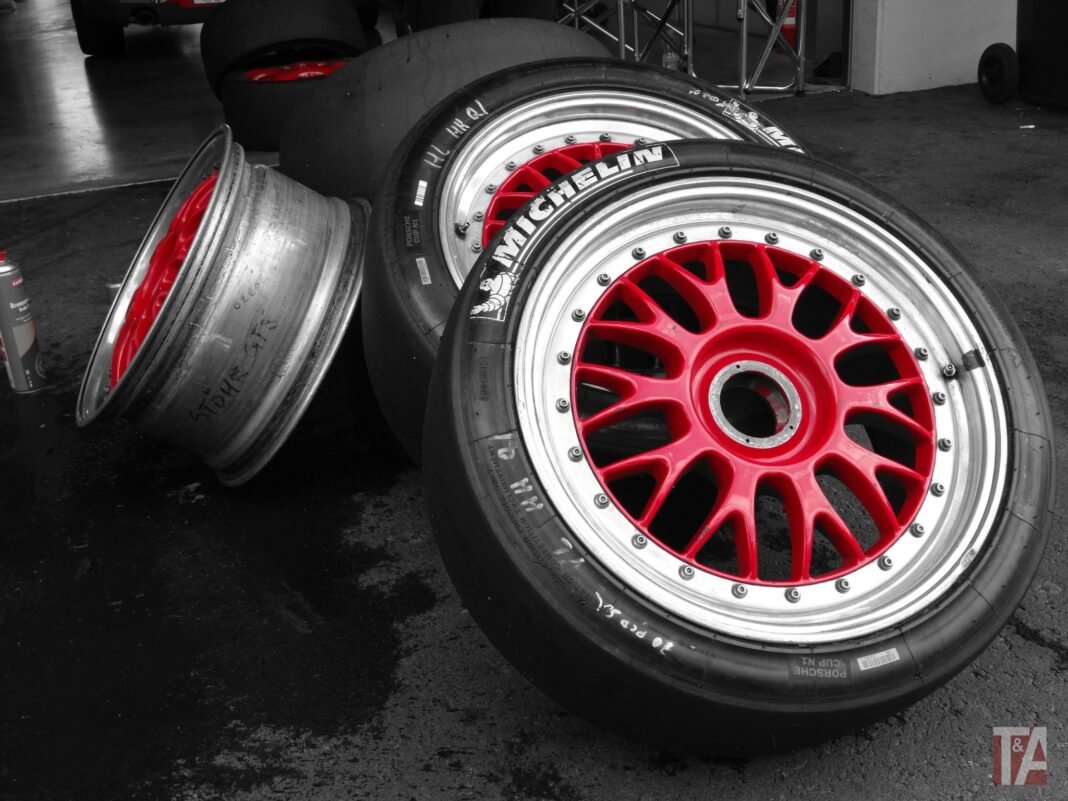

Tyre innovation plays a critical role in shaping safer driving experiences, often in ways drivers may not immediately notice. Advances in tread design, rubber compounds, and smart tyre technologies help vehicles maintain better grip and stability. These improvements also enhance braking performance across a wide range of road conditions. The importance of these developments is underscored by safety data.
According to Auto Express News, faulty car tyres are reported to be four times more dangerous than drunk driving. They are also linked to an estimated 7,500 deaths or serious injuries on roads in the UK only. As manufacturers continue to innovate, modern tyres are becoming a key frontline defense in reducing accidents and improving overall road safety.
In this article, we’ll explore how ongoing tyre innovations are helping reduce risk and improve safety for everyday drivers.
Advanced Tyre Design and Its Role in Accident Prevention
Advanced tyre design plays a critical role in reducing accident risk by improving vehicle control, stability, and efficiency. Modern tyres are engineered with optimized tread patterns and reinforced structures that enhance grip during braking and cornering, especially in emergency situations.
Design innovations also focus on reducing rolling resistance without compromising safety. The National Highway Traffic Safety Administration explains that low-rolling-resistance tyres reduce energy loss as vehicles move. Reducing rolling resistance by 10 percent can improve a vehicle’s fuel economy by roughly one to two percent.
These tyres typically operate at higher inflation pressures. They also reduce tread and sidewall deflection, which helps vehicles maintain better handling, responsiveness, and overall road safety.
Smart Tyres, Sensors, and Real-Time Safety Feedback
Smart tyre technology is transforming how vehicles monitor safety on the road by turning tyres into active data sources rather than passive components. According to Automotive Technology, smart tyres use embedded sensors and microchips to monitor real-time conditions such as tyre pressure, temperature, and load.
Some advanced models also track road grip and tread depth, sharing this data with the vehicle to support safer driving decisions. This continuous flow of data helps vehicles identify issues early. It can reveal slow air leaks, uneven weight distribution, or excessive tread wear before they develop into serious failures.
By alerting drivers or onboard systems early, smart tyres support timely maintenance and safer driving decisions. As these systems become more common, real-time tyre feedback is playing an important role in accident prevention and overall vehicle safety.
When Tyre Failure Still Leads to Crashes and Accountability
Despite major advances in tyre technology, defects, poor maintenance, or unexpected road hazards can still lead to serious accidents. Even the most advanced designs cannot fully eliminate risk when tyres are worn, underinflated, or damaged.
A tragic reminder came from St. Louis, where Fox2Now reported that two people were killed early Friday morning on December 12, 2025. They were struck by a vehicle while changing a tyre on Interstate 55. In cases like this, a local St. Louis car crash lawyer can help victims’ families seek justice.
TorHoerman Law states that a local lawyer can review evidence, determine liability, and guide families through insurance claims and legal proceedings. Incidents like this highlight how quickly tyre-related situations can turn dangerous.
While accountability matters after a crash, prevention remains critical. Proper tyre care, safe roadside practices, and awareness of traffic risks are essential to reducing avoidable tragedies and protecting lives on the road.
Sustainable Materials and Their Impact on Performance Safety
Sustainability in tyre manufacturing is increasingly linked to performance and safety, not just environmental impact. The U.S. Tire Manufacturers Association highlights how leading brands are integrating alternative materials without compromising reliability.
For example, Bridgestone and Pirelli have invested in research on guayule, a shrub native to the U.S. Southwest. This plant produces natural rubber that offers consistent performance and durability for tyre manufacturing.
Goodyear and Pirelli also use silica derived from rice husks, an agricultural byproduct, to improve rolling efficiency and traction. Meanwhile, Michelin and Bridgestone incorporate micronized rubber powder from recycled tyres into new compounds, supporting durability and grip.
These innovations show how sustainable materials can enhance tyre safety while reducing waste.
Tyre Testing Standards and Regulatory Advances
Tyre safety is not driven by innovation alone but also by rigorous testing standards and evolving regulations. Modern tyres undergo extensive laboratory and road testing to evaluate grip, braking distance, heat resistance, durability, and performance under extreme conditions.
Regulatory bodies continue to update benchmarks to reflect real-world driving risks, including wet traction, rolling resistance, and tread wear. These standards push manufacturers to design tyres that perform consistently over time, not just when new.
Advances in testing technology, such as high-speed simulations and automated wear analysis, also allow potential weaknesses to be identified earlier in development. Together, stricter regulations and improved testing help ensure tyres entering the market meet higher safety expectations for everyday drivers.
The Future of Tyre Innovation and Road Safety
The future of tyre innovation is increasingly focused on making roads safer through smarter design, data integration, and sustainability. Manufacturers are developing tyres that communicate directly with vehicle systems, providing real-time feedback on pressure, wear, and road conditions.
Advances in materials science are also leading to longer-lasting tyres with more consistent grip across changing temperatures and surfaces. As electric and autonomous vehicles become more common, tyres are being engineered to handle higher torque, heavier loads, and quieter operation without compromising safety.
At the same time, regulatory standards are evolving to reflect these technological shifts. Together, these developments point toward a future where tyres play an even more active role in accident prevention and overall road safety.
Driving Safer Roads Through Smarter Tyre Innovation
Tyre innovation continues to play a vital role in improving road safety by combining smarter design, advanced materials, and real-time technology. From enhanced grip and braking to predictive monitoring and stricter standards, modern tyres help reduce risks before accidents occur.
As innovation evolves, informed maintenance and awareness remain essential for safer driving experiences.

