
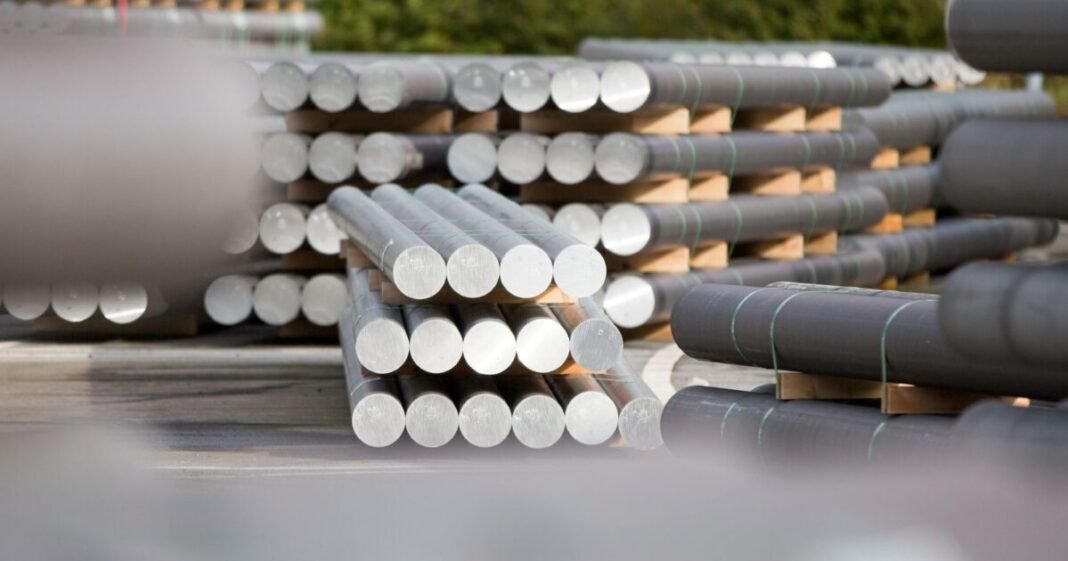

As the transition to electric vehicles gains speed in Europe and globally, leading to a reduction in the tailpipe emissions of cars, attention must now turn to the climate impact of the materials used to make a car. With use-phase emissions of an EV at close to zero, the emissions from the production phase – or a vehicle’s embedded emissions – account for around 60% of an electric carʼs total lifecycle emissions. Aluminium makes up around 20% of these embedded emissions. The automotive sector accounts for over a third of the market for all European aluminium production. With the aluminium content of electric vehicles higher than that of an internal combustion engine (ICE) vehicle, and only expected to grow, now is the time to scale low carbon or green production and recycling of aluminium in Europe.
New research by T&E shows that we can deliver cost-competitive aluminium by 2040, with targets for green aluminium adding only 25 EUR to the price of a car. To define “green aluminium”, we establish a sliding scale combining recycled and primary aluminium, with the carbon threshold decreasing over time, incentivising the transition to electrified plants.
The technology to clean up aluminium is available, and now is the time to create the conditions to scale clean aluminium production, including low carbon primary production and increased recycling. With the right policy measures in place, we can:
-
Reduce residual emissions from primary aluminium in cars by 30% in 2050 (compared to business as usual), increasing to 68% with further uptake of renewable energy and deployment of technologies to reduce direct emissions from smelting, like inert anodes or carbochlorination processes. Emissions savings by 2040, would be equal to taking 900,000 ICE cars off the road.
-
Reduce emissions by scaling EU aluminium recycling capabilities. By 2035, the emissions savings from increased recycling could be equal to taking 750,000 ICE cars off the road with this rising to over 2 million by 2040.
-
Deliver cost-competitive aluminium by 2040, with targets for green aluminium delivering a saving of €30 by 2050 to the price of a car.
Europe is heavily dependent on primary aluminium imports, with 53% of the consumption of primary aluminium in Europe in 2024 being met by imports, up from 46% in 2010. However, manufacturing primary aluminium is highly electricity-intensive. Around two-thirds of its carbon footprint stems from electricity generation, making its decarbonisation inseparable from the carbon intensity of the grid. Therefore, Europe’s comparatively cleaner grid means Europe can have a significant competitive advantage when it comes to green aluminium production. Scaling green aluminium production in Europe will be a win for the climate and the economy.
Requiring green aluminium in cars therefore means we can win on all fronts. We can cut emissions, strengthen demand for green products, and if paired with smart policies, support European producers.
Scaling green aluminium production through ambitious policy
Taking into account the significant emissions reduction potential and the timeframes for innovation and aluminium plant investment cycles, now is the time to ensure robust and reliable policies to drive the transition to green aluminium and reduce the overall car carbon footprint. Ambitious policy, such as green aluminium quotas will ensure the timely scale up of green aluminium.
Achieving this requires:
To find out more, download the study.

